

Most of us treat relaxation as something that happens to us. A good day, a holiday, the weekend finally arriving. If you want to learn to relax naturally, the first shift is to see it as a skill you can practise, not a stroke of luck you wait for.
That idea sits at the heart of our relaxation work at Generative NLP. Years ago we shared this thought in a short note to our readers: wouldn’t it be great to be relaxed without relying on having a good day? It still is. Below are seven practical ways to get there, most of which you can try right where you are sitting.
Why It Helps to Learn to Relax Naturally
When we are under pressure, the body prepares to defend itself. Shoulders lift, the jaw tightens, breathing turns shallow and the mind speeds up. That response is useful in a genuine emergency, but many people live in it all day.
Learning to relax naturally means getting better at noticing that response early and letting it settle. It is not about forcing yourself to be calm. It is about giving your system what it needs to come to rest, and then noticing what becomes possible when it does. Clearer thinking, better sleep and more patience with other people are common reasons people start.
A note on health: these ideas are for everyday stress and general wellbeing. They are not a substitute for medical advice. If you are struggling, please speak to your GP.
1. Start With Your Breathing
Breath is the quickest lever you have. Slow, steady breathing signals to the body that it is safe to ease off. Try breathing in gently through the nose for a count of four and out through the mouth for a count of six, for two or three minutes. The NHS publishes a clear guide to breathing exercises for stress if you would like a second set of instructions.
2. Release Tension Muscle by Muscle
Many people carry tension without realising it. A simple way to find it is to tense a muscle group for a few seconds, then let go and notice the difference. Work from your feet up to your face. This is often called progressive muscle relaxation, and it teaches you what “letting go” actually feels like in your body.
- Curl your toes, hold for five seconds, release
- Press your heels down, hold, release
- Squeeze your hands into fists, hold, release
- Lift your shoulders to your ears, hold, release
- Scrunch your face, hold, release
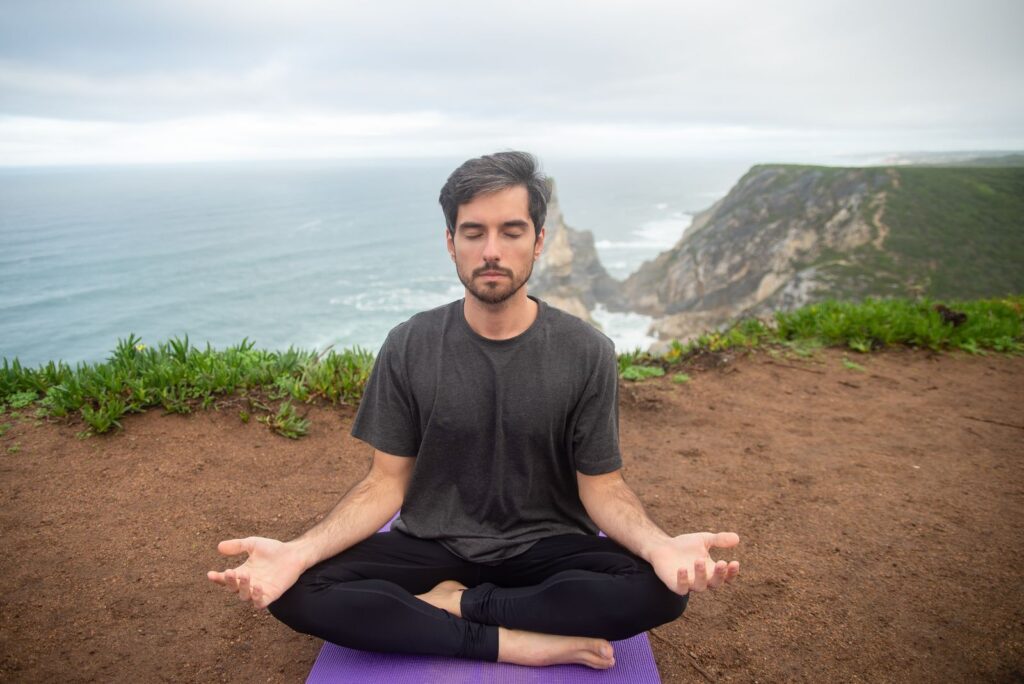
3. Notice What Your Body Is Already Telling You
Your body gives you constant feedback. A clenched stomach, a held breath, a tight forehead. Most of us ignore it until it shouts. Spending a minute each hour simply noticing, without trying to fix anything, builds the habit of catching stress early.
This is the territory of somatics, from the Greek word for the living body. Our article on what your body already knows before you decide explores how closely body and thinking are linked.
4. Turn Your Attention Outwards
A busy mind usually means attention turned inwards, replaying the past or rehearsing the future. One of the simplest ways to learn to relax naturally is to look outwards on purpose. Notice three things you can see, two things you can hear and one thing you can feel against your skin. Let your eyes soften and take in the whole room instead of staring at a point.
In the MythoSelf Process this is described as a state where the system comes to rest and attention is fully on the outside, sorting for what is working rather than what is wrong. It is a quiet, alert state, relaxing and energising at the same time.
5. Move Gently, Not Hard
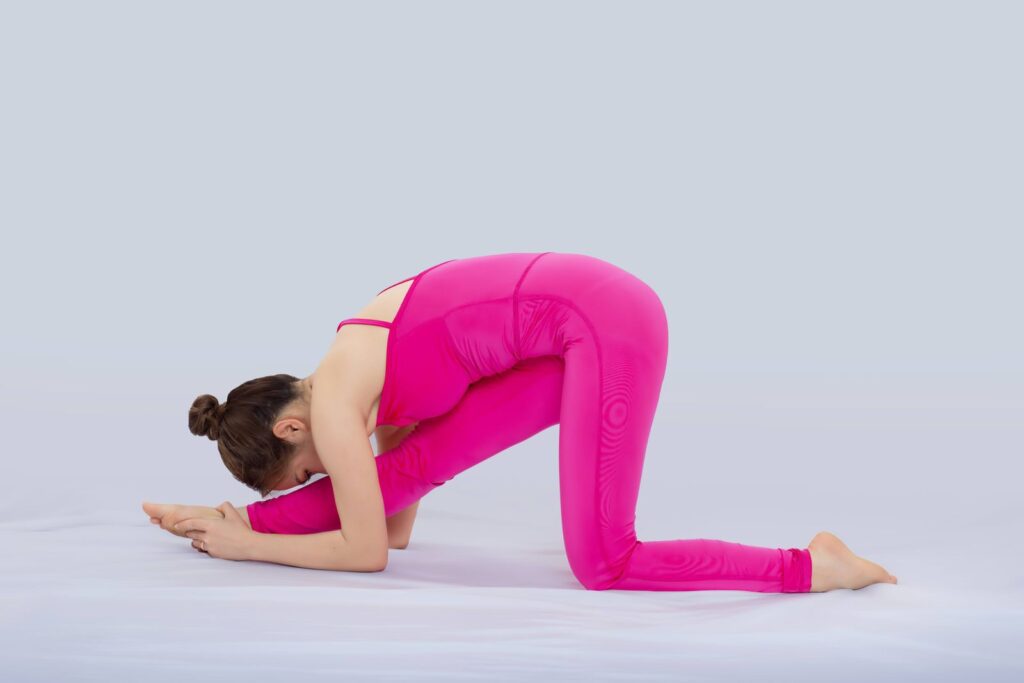
You do not need a gym session to unwind. Slow stretching, a short walk or rolling your shoulders and neck can release what sitting at a desk locks in. The aim is not fitness but variety: let your body do something other than hold one position for hours.
6. Build Small Pauses Into Your Day
Relaxation does not need a free hour. Try three short pauses: one before you start work, one after lunch and one before you go home. Each takes a minute. Put the phone down, drop your shoulders and take three slow breaths. Tying a pause to something you already do, such as making a cup of tea, makes it far more likely to stick.
7. Practise Regularly So It Is There When You Need It
It is hard to relax on demand if you have only tried it in a crisis. Like any skill, it improves with repetition. Choose one method from this list, practise it daily for two weeks and notice what changes. Then add another. After a while, relaxing becomes less of an event and more of a default.
Common Questions About Learning to Relax
How long does it take to relax?
Some people feel a shift after a few slow breaths. Making it a lasting habit usually takes a few weeks of regular practice.
What if my mind will not switch off?
That is normal. Do not fight your thoughts. Give your attention something simple to do, such as counting breaths or noticing sounds, and let thoughts drift past.
Do I need special equipment?
No. Everything above can be done sitting in a chair, with no props, apps or music.
Going Deeper With the MythoSelf Process
The techniques above are a good start. If you would like a structured way to learn to relax naturally and keep it, our MythoSelf Process works with body and mind together so that being relaxed inside can become the norm rather than the exception. It is designed to be both deeply calming and invigorating, which is why it suits people who want to be relaxed and productive at the same time.
For self-study, our Relaxation Manual and the book Treating Stress with Relaxation are available in the store.
Learn to Relax Naturally: A Simple Daily Routine
To learn to relax naturally, it helps to turn the seven methods above into a short routine. Here is one that takes about ten minutes a day. In the morning, take two minutes of slow breathing before you check your phone. At midday, spend a minute releasing your shoulders, jaw and hands. In the evening, spend five minutes on muscle-by-muscle release, then notice how your body feels.
People who learn to relax naturally this way often find that the benefits build quickly. Sleep tends to improve, small irritations bother them less and it becomes easier to concentrate. If you are curious about the science of stress, the NHS Every Mind Matters site has practical, free advice.
Take the Next Step
Not sure how to learn to relax naturally in a way that suits you? Book a free consultation and we will help you work out the best starting point, or read about our coaching services. Anyone can learn to relax naturally with the right guidance and a little practice.