

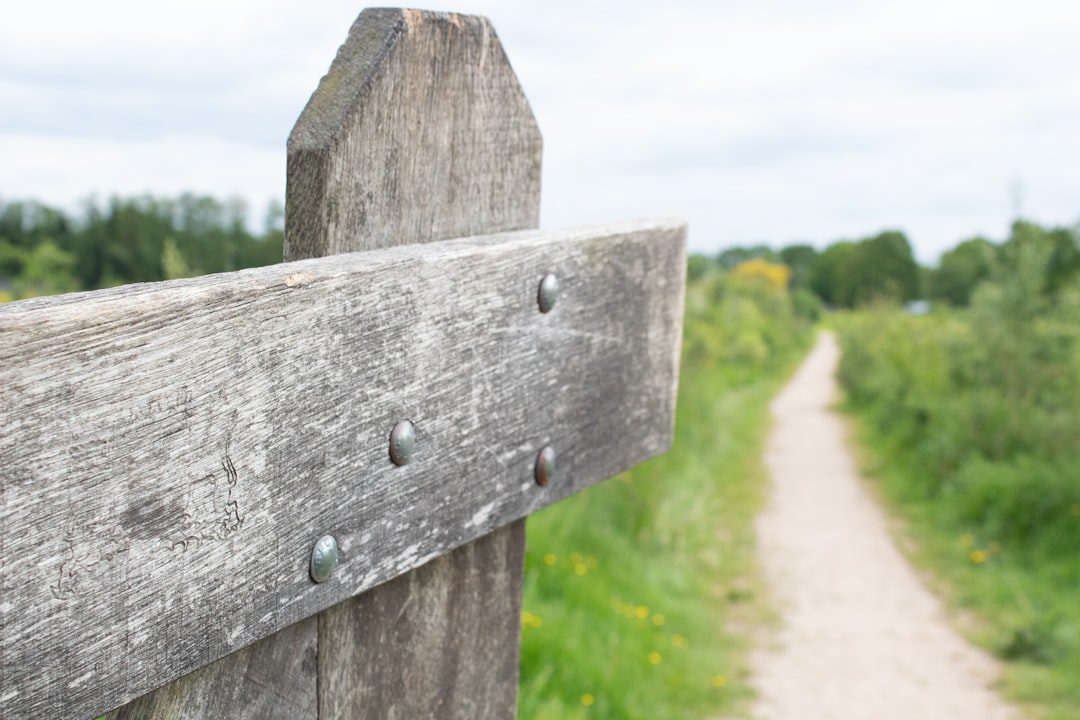
Sitting on the fence feels, on the surface, like the responsible choice. Weigh the pros and cons, notice the risk on either side, and rather than commit to one, stay in the middle: undecided, uncommitted, safe. It is an appealing strategy right up until you look at what it costs the body over time.
Table of Contents
Why Sitting on the Fence Feels Safe
Staying undecided keeps every option alive. Nothing can go wrong with a choice you have not made. That is the comfort, and it is real, but it is short-lived.
The comfort ends because the question does not go away. It stays open in the background, drawing on your attention whether or not you are thinking about it.
How the Mind Handles Avoidant Thinking
Positive thinking lands cleanly on its target: “I’m going to take that opportunity.” Avoidant thinking (“I don’t want to decide on this yet”) makes the mind process both the negation and the thing negated, and attention tends to snag on the latter. Trying not to think about a risk often means thinking about exactly that risk, repeatedly, without resolution.
Psychologists call the pattern ambivalence: holding conflicting evaluations of the same choice at once, without resolving either one.
The Physical Cost of Chronic Ambivalence
Do that consistently and you get a low, persistent hum of dread: not fear of anything specific, but a diffuse unease, because the mind circles threats (failure, rejection, being wrong) without landing on a picture of what you actually want instead.
That is exactly the condition that keeps the body’s stress response switched on. A stress response that never switches off is expensive: elevated cortisol, muscle fatigue, disrupted sleep, a weakened immune system and, over the long run, genuinely serious health consequences.
Because the toll is gradual, it is easy to miss the link between “I’ve been putting this off” and “I haven’t felt right in months.”
What Sitting on the Fence Looks Like Day to Day
A job offer sits unanswered for weeks. A conversation with a partner or colleague keeps being postponed. A project stays in the “maybe” pile. Each delay seems reasonable alone; together they keep the stress response running.
The body does not distinguish between a decision made and a decision pending. As long as the question is open, part of you stays on guard.
3 Hidden Costs of Sitting on the Fence
The damage is easy to miss because it builds slowly.
- Attention: an open question keeps part of your mind circling the same risks without resolving them.
- Body: a stress response that never switches off brings fatigue, poor sleep and a weaker immune system.
- Life: postponed decisions pile up, and the sense of being stuck grows with them.
If sitting on the fence has become a habit, treat the first decision as an experiment rather than a verdict. Choose the smallest one, decide it today and notice how your body responds. Many people find that sitting on the fence costs far more than any single imperfect choice, and that the relief of deciding is immediate.
The Way Out: Deciding Rather Than Avoiding
The way out is not complicated, even if it is not easy: weigh the evidence as honestly as you can, and then actually decide. Not because every decision will turn out perfectly, but because the relief of resolution, even imperfect, is almost always better than the cost of ongoing ambivalence.
Start with the smallest decision you have been avoiding. Make it today, and notice how your body responds once it is settled.
If sitting on the fence feels like a familiar pattern, it is rarely a willpower problem. It is a structural one, and it responds well to the right kind of coaching. Our Services page has more, or book a free consultation. Related reading: Every Decision Is Rewiring Your Brain and What Your Body Already Knows Before You Decide.